Facilities Technician
ESS Engineering
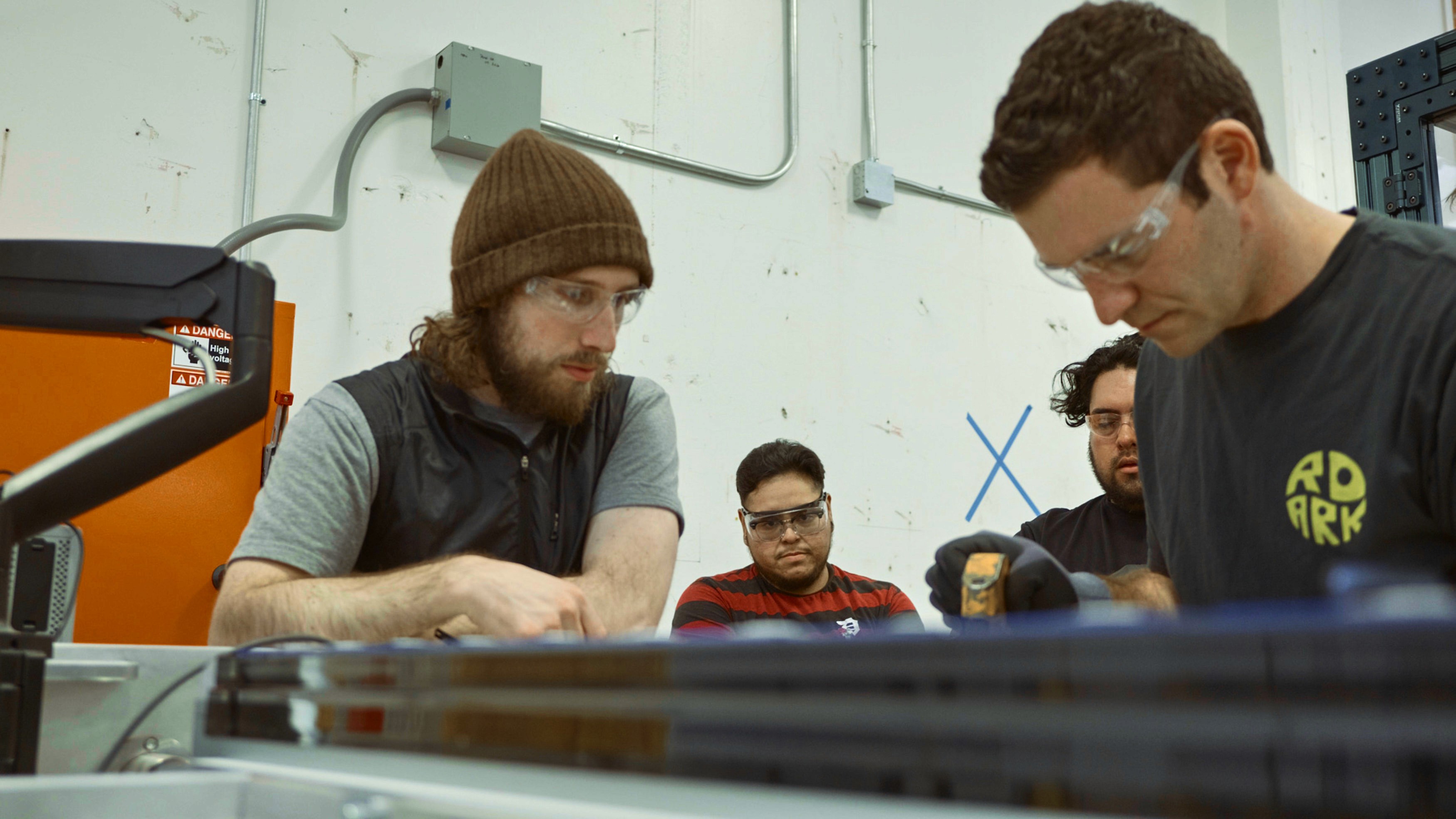
Reporting to the Facilities Engineer, the Facilities Technician will execute tasks within and around the building, supporting both the physical plant and structure as well as overall company goals. This position will be based out of Peak Energy’s Burlingame, CA facility and will primarily support daytime prototype development work, with occasional off-shift or weekend hours as needed. The Facilities Technician will have a background in the trades or technical operations and strives to execute tasks that make their fellow colleagues' work safer, easier, and more effective. They will have primary responsibility—either through hands-on execution or by managing third-party specialists—for maintaining site utilities (electrical, compressed air, HVAC and exhaust, specialty gases, and fire protection systems), as well as the building envelope and architectural components (e.g., doors, roof, exterior grounds, office and kitchen FFE). In addition to facility maintenance, this role will support the Facilities Engineer with onsite operational activities, including receiving and handling of inbound materials, onsite support for equipment vendor specialists, and championing site safety culture and compliance. The Facilities Technician will also support building upgrade projects, including utility upgrades or relocations for operations equipment, adherence to site standards for office and manufacturing spaces, and replacement of aging infrastructure. Responsibilities: Perform routine inspections, preventive maintenance, and repairs on facility systems (HVAC, electrical, compressed air, lighting, plumbing, etc.) Support installation, relocation, and calibration of manufacturing equipment related to battery assembly Assist with EHS (Environmental, Health & Safety) compliance including waste handling, SDS tracking, signage, and audits Monitor and maintain building infrastructure such as fire suppression systems, access controls, and security equipment Coordinate with third-party vendors and contractors for service calls, equipment repairs, and site improvements Maintain facilities supplies and tools in an organized manner; track inventory and order consumables as needed Respond to internal service requests and troubleshoot facility-related issues promptly Support buildout and layout changes as production scales (including racking, workstations, ventilation, etc.) Help maintain clean and organized workspaces across production and lab areas Minimum Qualifications: 3+ years of hands-on facilities, maintenance, or technician experience (start-up or manufacturing environments a plus) Working knowledge of mechanical, electrical, HVAC, and building systems Comfortable using tools, ladders, lifts, and equipment safely Familiarity with basic electrical and plumbing troubleshooting Ability to read and understand technical manuals, SOPs, and schematics Strong communication, organizational, and time-management skills Self-starter with a proactive attitude and the flexibility to adapt in a fast-moving environment Read and interpret electrical schematics, P&IDs, and technical drawings to support equipment troubleshooting and facility modifications Ability to work and complete assigned tasks with minimal oversight Preferred Qualifications: OSHA 10 or 30 certification Experience working in clean tech, battery manufacturing, or high-voltage environments Familiarity with CMMS (Computerized Maintenance Management Systems) Forklift and/or MEWP certification or willingness to obtain Physical Requirements: Ability to lift up to 50 lbs, stand or walk for extended periods, and perform physical tasks using hand tools and equipment Comfortable working around energized equipment and in an industrial environment with appropriate PPE The pay for this role is $30-40/hr, with actual pay varying based on work location, education, experience, and skills. At Peak Energy, we value our employees and promote work-life balance. Our competitive benefits package includes unlimited PTO, comprehensive medical, dental, and vision coverage, a strong 401(k) plan, and equity opportunities. Join us to thrive in a supportive environment while making a meaningful impact in the energy sector! At Peak Energy Technologies Inc., we believe that a diverse and inclusive workplace makes us a more capable, innovative, and competitive company. We welcome people who represent diversity in their backgrounds, ethnicities, cultures, and experiences. Peak Energy Technologies Inc. is an equal opportunity employer, aiming to reach our company’s full potential by cultivating an inclusive workforce. We do not discriminate on the basis of race, color, ancestry, religion, national origin, sexual orientation, citizenship, marital or family status, disability, gender identity or expression, veteran status, or any other legally protected status.
The Power of Subtle Feedback
Micro-interactions have evolved from simple hover states to sophisticated, context-aware animations that respond to user behavior. Today's successful digital products use these subtle movements to communicate status, confirm actions, and guide users through complex interactions. The key lies in finding the perfect balance between functionality and delight.
Modern micro-interactions incorporate haptic feedback, sound, and motion to create multi-sensory experiences. These elements work together to make interfaces feel more responsive and alive, while providing crucial feedback that helps users understand the results of their actions.
Implementation Strategy
The most effective micro-interactions are those that users barely notice but would miss if they were gone. They should feel natural and intuitive, enhancing the user experience without calling attention to themselves. This requires careful consideration of timing, easing, and context.
Best Practices
Keep animations under 400ms
Ensure consistency across platforms
Test performance impact
Consider reduced motion preferences
Maintain purposeful design
Successful micro-interactions require collaboration between designers, developers, and UX researchers to ensure they enhance rather than hinder the user experience. When done right, they become an integral part of the product's personality and user experience strategy.
Key Takeaways
Enhances user engagement by 34%
Reduces user error rates
Improves interface learnability
Strengthens brand personality
Increases user satisfaction metrics