Peak Signs Agreement to Deploy MISO’s First Sodium-Ion Grid Storage Battery
Burlingame, CA
Wednesday, March 11, 2026

Peak Signs Agreement to Deploy MISO’s First Sodium-Ion Grid Storage Battery
Published by
Peak Energy

Peak Energy, a U.S.-based company developing low-cost, giga-scale energy storage technology for the grid, today announced an agreement with RWE Americas, a leading global energy company with approximately 13 GW of operating assets in the U.S., to pilot Peak Energy's proprietary passively cooled sodium-ion grid storage battery technology.
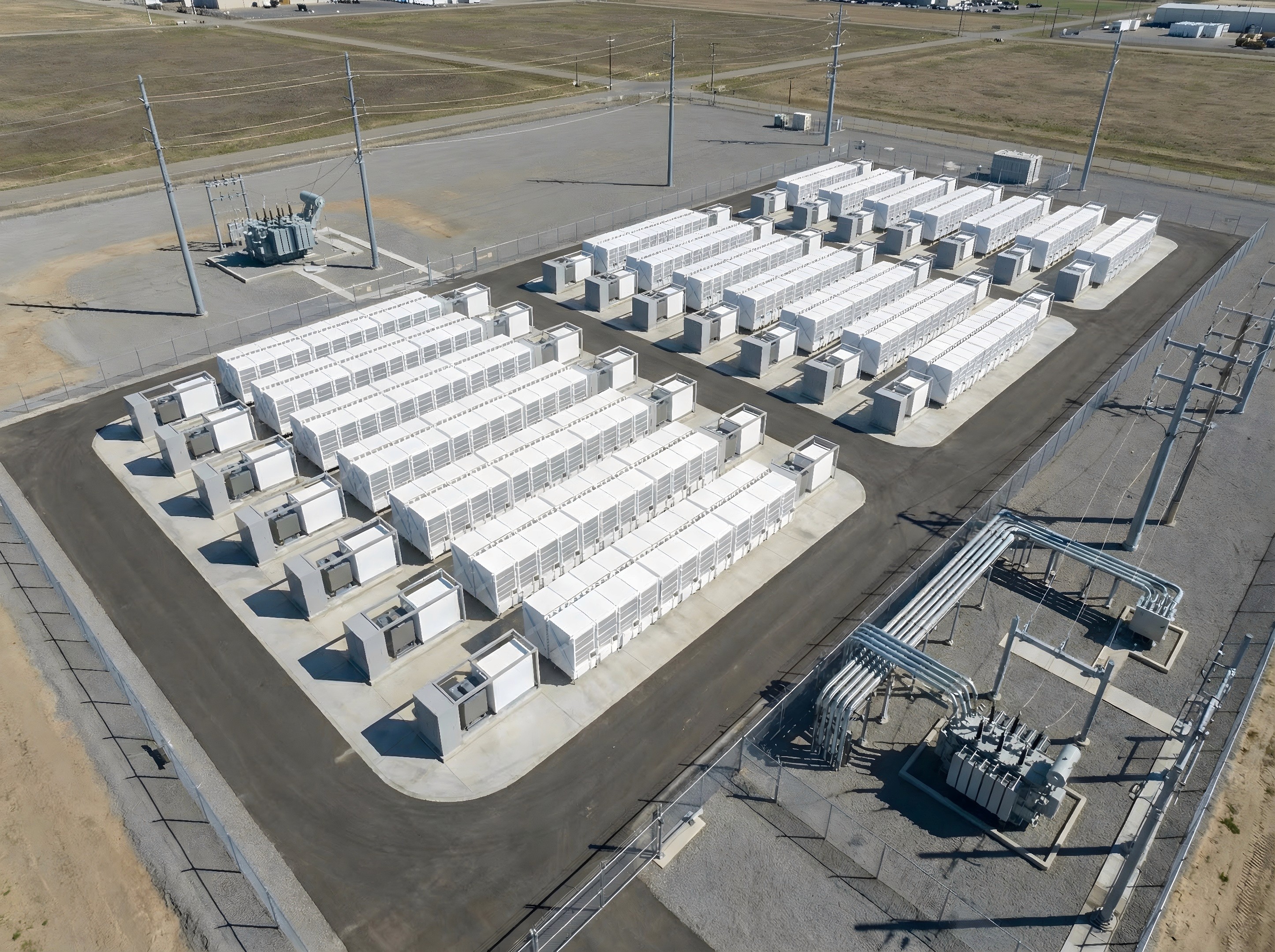
The pilot project, which will be deployed in Eastern Wisconsin at the RWE lab, makes RWE Americas a first mover in bringing next generation, capital efficient energy storage to the grid, if fully adopted. Built to maximize sodium-ion's stability and thermal advantages, Peak Energy's battery storage system dramatically reduces the cost of energy storage and eases the need for costly new power plants, directly addressing the energy cost crisis in America.
"Energy storage is central to providing dispatchable, reliable energy on demand. Peak's innovations, enabled by sodium-ion batteries, greatly reduce energy storage costs," said Landon Mossburg, Chief Executive Officer of Peak Energy. "Delivering the lowest cost electron is Peak Energy's north star, and we're proud to work with RWE Americas to operate our cost-optimized batteries."
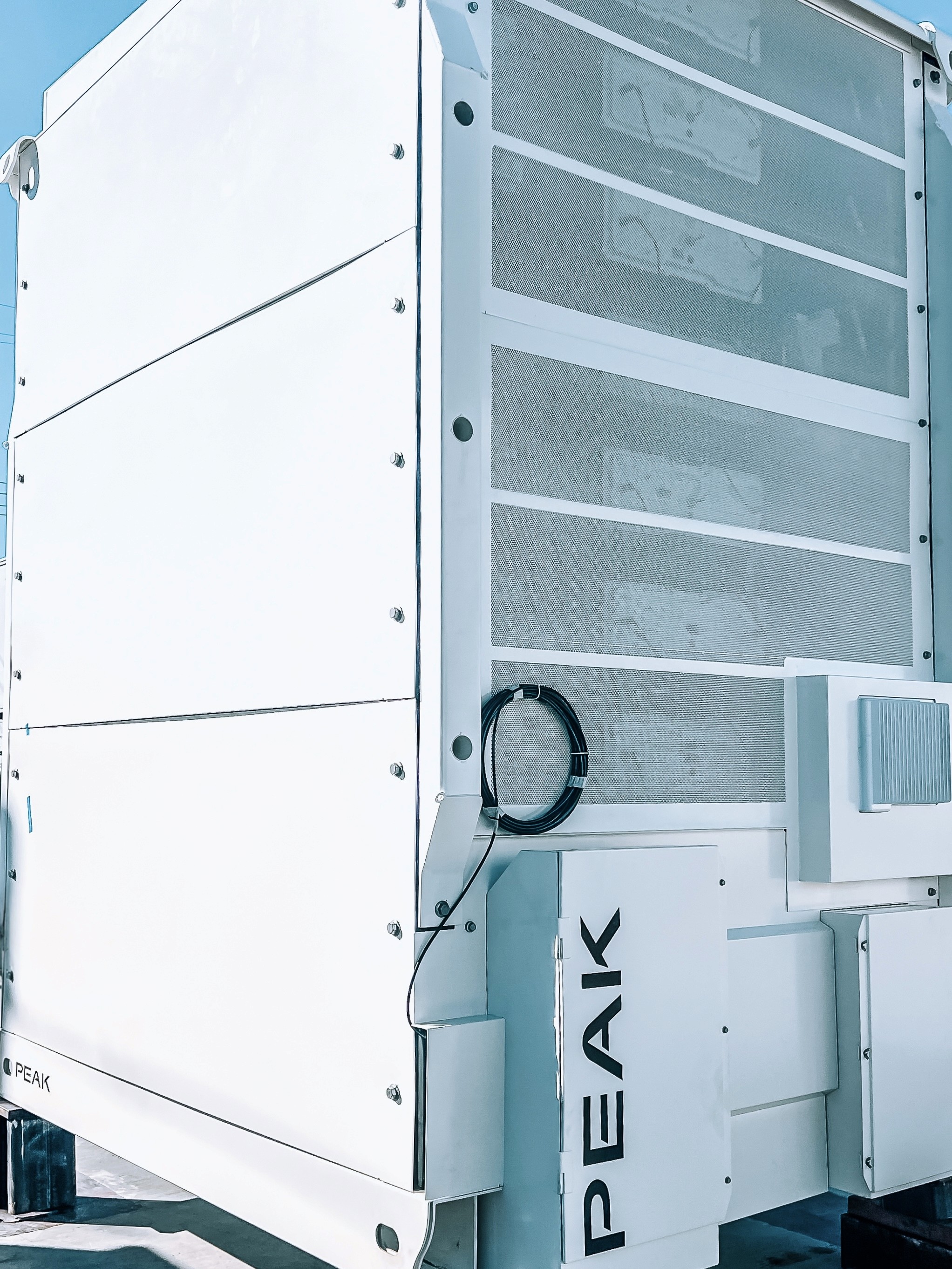
Peak's proprietary energy storage system enables safe operation at a wide temperature range without a performance decrease, dramatically altering the economics of energy storage. Relying on highly stable and better performing sodium-ion (NFPP) battery cells, Peak's energy storage system eliminates costly routine maintenance, removes cooling systems that waste energy, and reduces "overbuild" – the amount of excess storage required to account for capacity degradation over time. Through these improvements, Peak's energy storage systems reduce the lifetime cost of energy stored by an average of $70/kWh, which is equivalent to approximately half of the total price of a battery system today.
Like most of the United States, the MISO region – which encompasses Wisconsin – is facing unprecedented energy demand growth, rapid cost increases, and a dearth of energy storage capacity. Last year, a report from Aurora Energy Research concluded that the installation of 10 GWh of battery storage capacity over the next decade could reduce total MISO system costs by as much as $27 billion compared to a baseline scenario. Deploying that same capacity using Peak's GS1.1 systems would reduce total storage system costs by more than 25% relative to conventional lithium-ion solutions, through Peak's passive design that lowers operating costs and reduces lifetime maintenance. Batteries on the grid improve overall reliability and reduce consumer costs by storing surplus energy at low demand times and deploying it to the grid at peak demand, limiting reliance on expensive energy spot markets. This reduces the need for costly new generation technologies and maximizes the dispatchable use of economically efficient intermittent energy generation sources.
More articles
Wednesday, November 12, 2025
PR Newswire
Peak Signs 4.75 GWh Contract with Jupiter Power
Burlingame, CA
Peak Energy, a U.S.-based company developing low-cost, giga- scale energy storage technology for the grid, today announced a multi-year phased agreement with Jupiter Power LLC (“Jupiter Power” or “Jupiter”), a leading developer and operator of utility-scale battery energy storage systems. Under the agreement, Peak Energy will supply up to 4.75GWh of its industry-leading sodium-ion battery energy storage systems (ESS) to Jupiter Power, for deployment between 2027 and 2030.

Monday, October 27, 2025
Peak Energy
Energy Day
Denver, CO
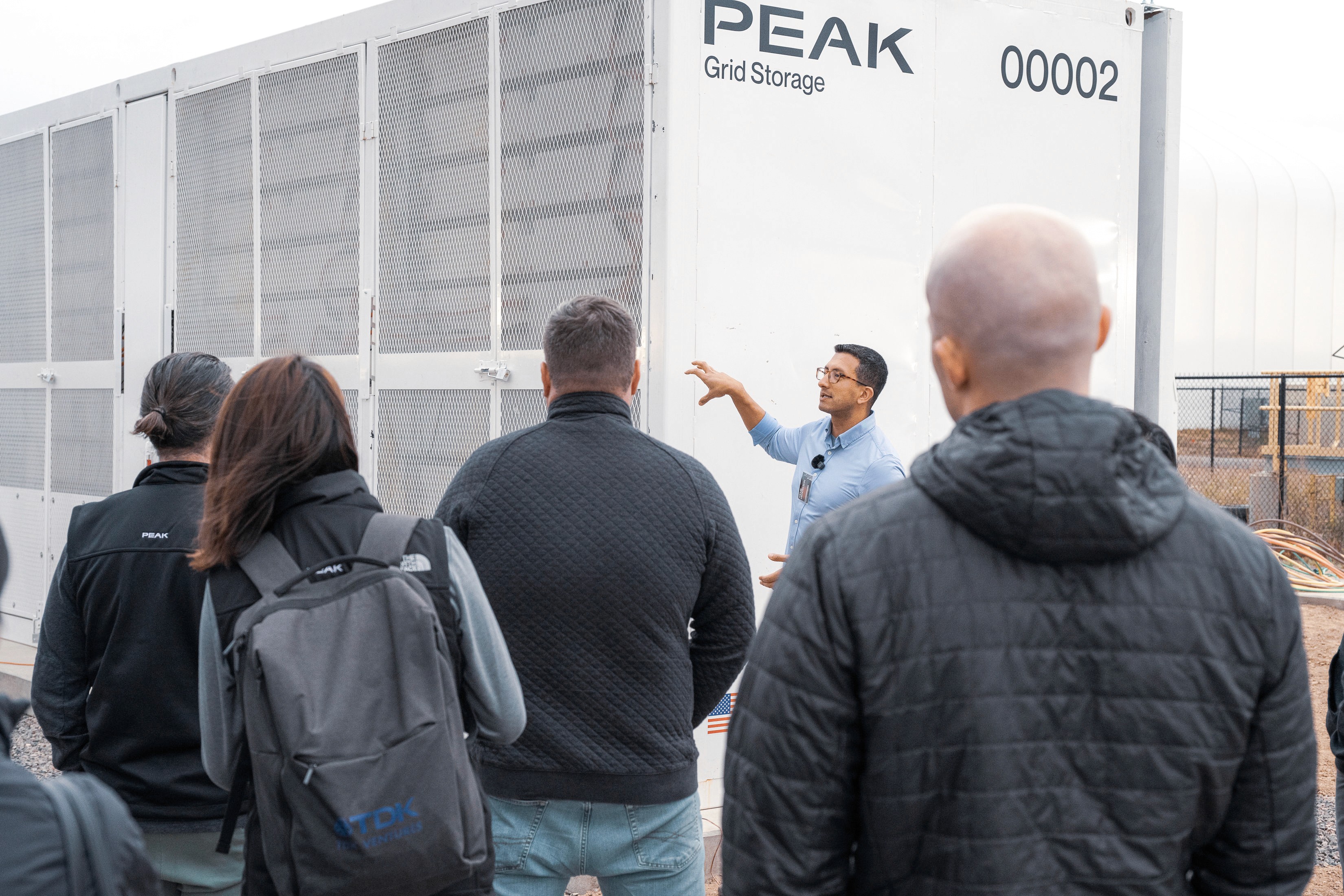
Last week in Denver, Peak hosted 47 of its customers and development partners to celebrate the power on of Peak’s product - the first passively cooled Energy Storage System in the world. With live data, a deep dive into sodium-ion chemistry, and a site visit, Peak gave guests an unfiltered look into the development of the Peak ESS, from cell to site.

Wednesday, July 30, 2025
PR Newswire
Peak Delivers First Grid-Scale, Sodium-Ion Battery Storage System in the U.S.
Denver, CO
Today, Peak announced the launch and shipment of its sodium-ion battery energy storage system (ESS) that delivers a patent-pending passive cooling design to dramatically reduce lifetime energy costs. Cost-competitive with state of the industry products while offering dramatically lower operating and maintenance costs, Peak Energy's product is the first ever fully passive megawatt-hour scale battery storage system, the largest sodium-ion phosphate pyrophosphate (NFPP) battery system in the world, and the first grid-scale sodium-ion storage solution ever deployed to the U.S. electric grid. Deploying the system in a shared pilot with nine leading utility and independent power producer (IPP) customers this summer, Peak Energy is fast-tracking its promise to onshore battery manufacturing.

Saturday, January 25, 2025
The Information
Peak selected as America's most promising energy start up – The Information
New York, NY
Peak Energy is proud to announce the successful closure of a $55 million funding round aimed at accelerating the development and commercialization of our sodium-ion battery technology. This investment underscores the growing interest in alternative energy storage solutions that can complement or replace traditional lithium-ion batteries, particularly in grid-scale applications.
Friday, December 20, 2024
The Wall Street Journal
The Unlikely Ingredient That Could End U.S. Dependence on Chinese Batteries
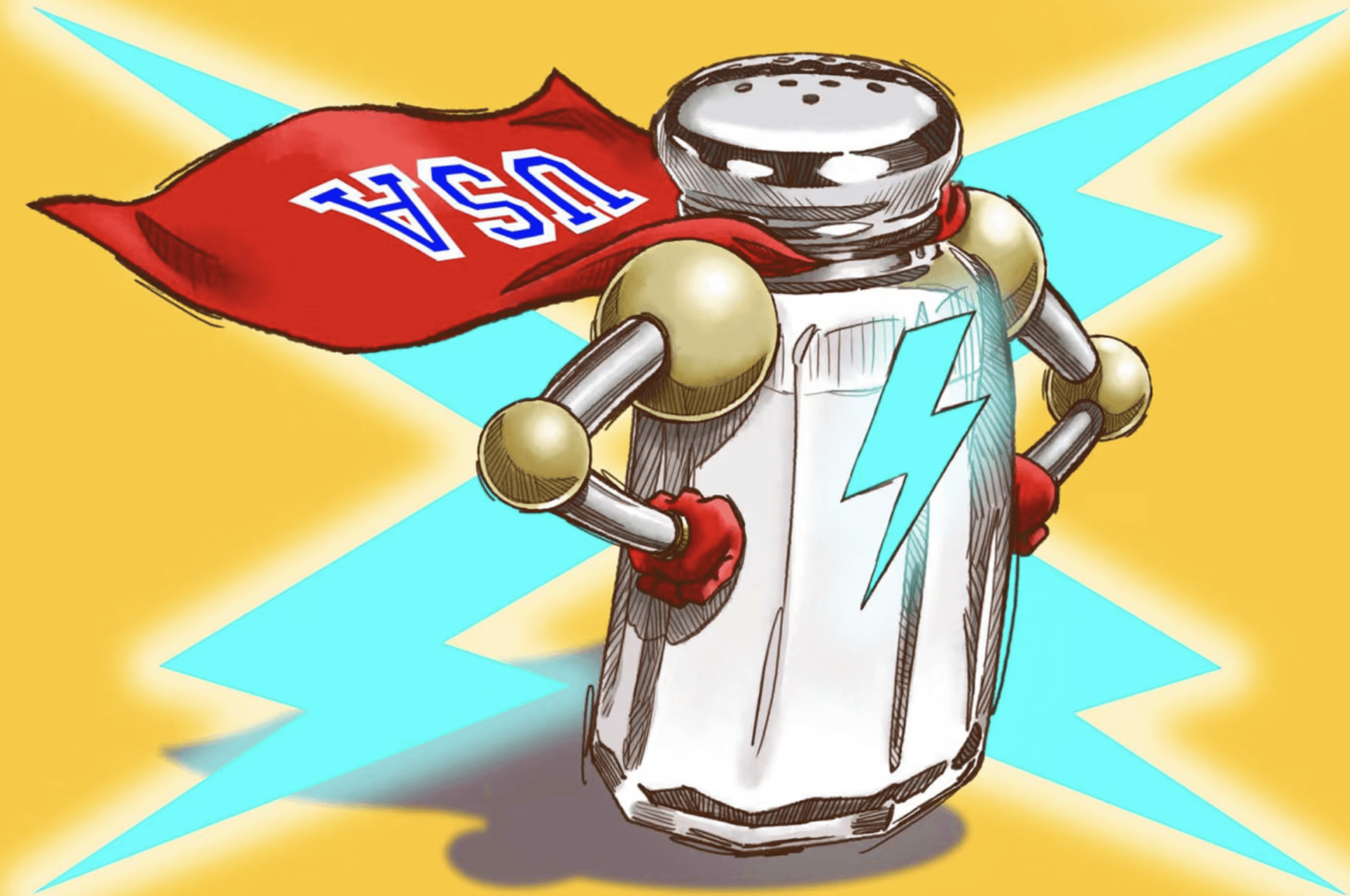
Batteries that use sodium instead of lithium could allow the U.S. and its allies to create a completely new supply chain for the energy storage taking off across the world
Peak Signs Agreement to Deploy MISO’s First Sodium-Ion Grid Storage Battery
Burlingame, CA
Wednesday, March 11, 2026
Peak Signs Agreement to Deploy MISO’s First Sodium-Ion Grid Storage Battery
Published by
Peak Energy
Peak Energy, a U.S.-based company developing low-cost, giga-scale energy storage technology for the grid, today announced an agreement with RWE Americas, a leading global energy company with approximately 13 GW of operating assets in the U.S., to pilot Peak Energy's proprietary passively cooled sodium-ion grid storage battery technology.
The pilot project, which will be deployed in Eastern Wisconsin at the RWE lab, makes RWE Americas a first mover in bringing next generation, capital efficient energy storage to the grid, if fully adopted. Built to maximize sodium-ion's stability and thermal advantages, Peak Energy's battery storage system dramatically reduces the cost of energy storage and eases the need for costly new power plants, directly addressing the energy cost crisis in America.
"Energy storage is central to providing dispatchable, reliable energy on demand. Peak's innovations, enabled by sodium-ion batteries, greatly reduce energy storage costs," said Landon Mossburg, Chief Executive Officer of Peak Energy. "Delivering the lowest cost electron is Peak Energy's north star, and we're proud to work with RWE Americas to operate our cost-optimized batteries."
Peak's proprietary energy storage system enables safe operation at a wide temperature range without a performance decrease, dramatically altering the economics of energy storage. Relying on highly stable and better performing sodium-ion (NFPP) battery cells, Peak's energy storage system eliminates costly routine maintenance, removes cooling systems that waste energy, and reduces "overbuild" – the amount of excess storage required to account for capacity degradation over time. Through these improvements, Peak's energy storage systems reduce the lifetime cost of energy stored by an average of $70/kWh, which is equivalent to approximately half of the total price of a battery system today.
Like most of the United States, the MISO region – which encompasses Wisconsin – is facing unprecedented energy demand growth, rapid cost increases, and a dearth of energy storage capacity. Last year, a report from Aurora Energy Research concluded that the installation of 10 GWh of battery storage capacity over the next decade could reduce total MISO system costs by as much as $27 billion compared to a baseline scenario. Deploying that same capacity using Peak's GS1.1 systems would reduce total storage system costs by more than 25% relative to conventional lithium-ion solutions, through Peak's passive design that lowers operating costs and reduces lifetime maintenance. Batteries on the grid improve overall reliability and reduce consumer costs by storing surplus energy at low demand times and deploying it to the grid at peak demand, limiting reliance on expensive energy spot markets. This reduces the need for costly new generation technologies and maximizes the dispatchable use of economically efficient intermittent energy generation sources.
More articles
Peak Signs 4.75 GWh Contract with Jupiter Power
Burlingame, CA
Energy Day
Denver, CO
Peak Delivers First Grid-Scale, Sodium-Ion Battery Storage System in the U.S.
Denver, CO
Peak selected as America's most promising energy start up – The Information
New York, NY
The Unlikely Ingredient That Could End U.S. Dependence on Chinese Batteries
Peak Signs Agreement to Deploy MISO’s First Sodium-Ion Grid Storage Battery
Burlingame, CA
Wednesday, March 11, 2026
Peak Signs Agreement to Deploy MISO’s First Sodium-Ion Grid Storage Battery
Published by
Peak Energy
Peak Energy, a U.S.-based company developing low-cost, giga-scale energy storage technology for the grid, today announced an agreement with RWE Americas, a leading global energy company with approximately 13 GW of operating assets in the U.S., to pilot Peak Energy's proprietary passively cooled sodium-ion grid storage battery technology.
The pilot project, which will be deployed in Eastern Wisconsin at the RWE lab, makes RWE Americas a first mover in bringing next generation, capital efficient energy storage to the grid, if fully adopted. Built to maximize sodium-ion's stability and thermal advantages, Peak Energy's battery storage system dramatically reduces the cost of energy storage and eases the need for costly new power plants, directly addressing the energy cost crisis in America.
"Energy storage is central to providing dispatchable, reliable energy on demand. Peak's innovations, enabled by sodium-ion batteries, greatly reduce energy storage costs," said Landon Mossburg, Chief Executive Officer of Peak Energy. "Delivering the lowest cost electron is Peak Energy's north star, and we're proud to work with RWE Americas to operate our cost-optimized batteries."
Peak's proprietary energy storage system enables safe operation at a wide temperature range without a performance decrease, dramatically altering the economics of energy storage. Relying on highly stable and better performing sodium-ion (NFPP) battery cells, Peak's energy storage system eliminates costly routine maintenance, removes cooling systems that waste energy, and reduces "overbuild" – the amount of excess storage required to account for capacity degradation over time. Through these improvements, Peak's energy storage systems reduce the lifetime cost of energy stored by an average of $70/kWh, which is equivalent to approximately half of the total price of a battery system today.
Like most of the United States, the MISO region – which encompasses Wisconsin – is facing unprecedented energy demand growth, rapid cost increases, and a dearth of energy storage capacity. Last year, a report from Aurora Energy Research concluded that the installation of 10 GWh of battery storage capacity over the next decade could reduce total MISO system costs by as much as $27 billion compared to a baseline scenario. Deploying that same capacity using Peak's GS1.1 systems would reduce total storage system costs by more than 25% relative to conventional lithium-ion solutions, through Peak's passive design that lowers operating costs and reduces lifetime maintenance. Batteries on the grid improve overall reliability and reduce consumer costs by storing surplus energy at low demand times and deploying it to the grid at peak demand, limiting reliance on expensive energy spot markets. This reduces the need for costly new generation technologies and maximizes the dispatchable use of economically efficient intermittent energy generation sources.
More articles
Peak Signs 4.75 GWh Contract with Jupiter Power
Burlingame, CA
Energy Day
Denver, CO
Peak Delivers First Grid-Scale, Sodium-Ion Battery Storage System in the U.S.
Denver, CO
Peak selected as America's most promising energy start up – The Information
New York, NY