The Unlikely Ingredient That Could End U.S. Dependence on Chinese Batteries
Friday, December 20, 2024
The Unlikely Ingredient That Could End U.S. Dependence on Chinese Batteries
Christopher Mims
Batteries that use sodium instead of lithium could allow the U.S. and its allies to create a completely new supply chain for the energy storage taking off across the world

The U.S.–China Race for Sodium‑Ion Batteries — and Peak Energy’s Role

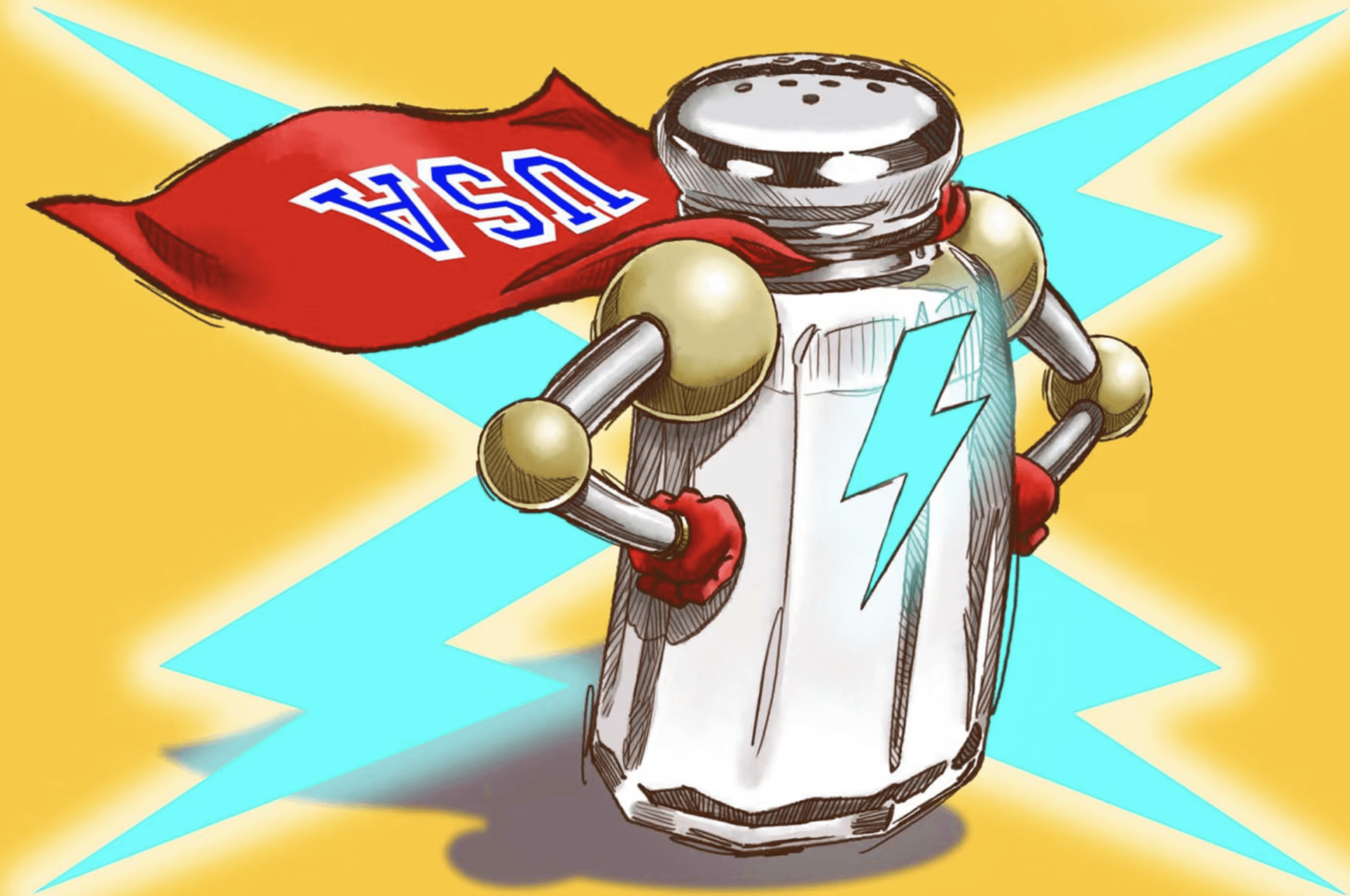
The U.S. and China are in a high‑stakes race to commercialize sodium‑ion batteries, a technology that could redefine energy security. Unlike lithium‑ion, sodium‑ion batteries rely on soda ash — a sodium compound abundant in the U.S., where 92% of global reserves are located.

This resource advantage positions the U.S. as the “Saudi Arabia of soda ash.” While China must synthesize soda ash from salt, the U.S. can source it cheaply and in large quantities, providing a strategic opportunity to localize production.


Policy Tailwinds and Industrial Push

Previous attempts to establish U.S. battery manufacturing leadership faltered, but today’s landscape is different:

  • Policy Support: Bipartisan incentives under the Inflation Reduction Act and expected tariffs are aligning capital and political will.

  • Strategic Urgency: Energy storage needs are rising rapidly, while trade tensions with China are intensifying.

  • Domestic Opportunity: Sodium‑ion’s raw materials are abundant in the U.S., creating a pathway to secure domestic manufacturing.


Peak Energy in the Context of U.S. Strategy

Peak Energy is advancing sodium‑ion systems to market quickly, leveraging existing global cell supply while working toward U.S. gigafactory capacity by 2028. By pairing proven system integration with a clear roadmap to domestic production, Peak is aligned with both U.S. energy security priorities and the growing commercial demand for non‑lithium storage solutions.

As policymakers and industry leaders push to reduce China’s dominance in critical battery materials, Peak Energy’s sodium‑ion platform represents a viable, U.S.‑led alternative that capitalizes on the nation’s natural resource advantage.
More articles

Wednesday, November 12, 2025

PR Newswire

Peak Energy Signs 4.75 GWh Contract with Jupiter Power
Burlingame, CA

Peak Energy, a U.S.-based company developing low-cost, giga- scale energy storage technology for the grid, today announced a multi-year phased agreement with Jupiter Power LLC (“Jupiter Power” or “Jupiter”), a leading developer and operator of utility-scale battery energy storage systems. Under the agreement, Peak Energy will supply up to 4.75GWh of its industry-leading sodium-ion battery energy storage systems (ESS) to Jupiter Power, for deployment between 2027 and 2030.

Monday, October 27, 2025

Peak Energy

Energy Day
Denver, CO

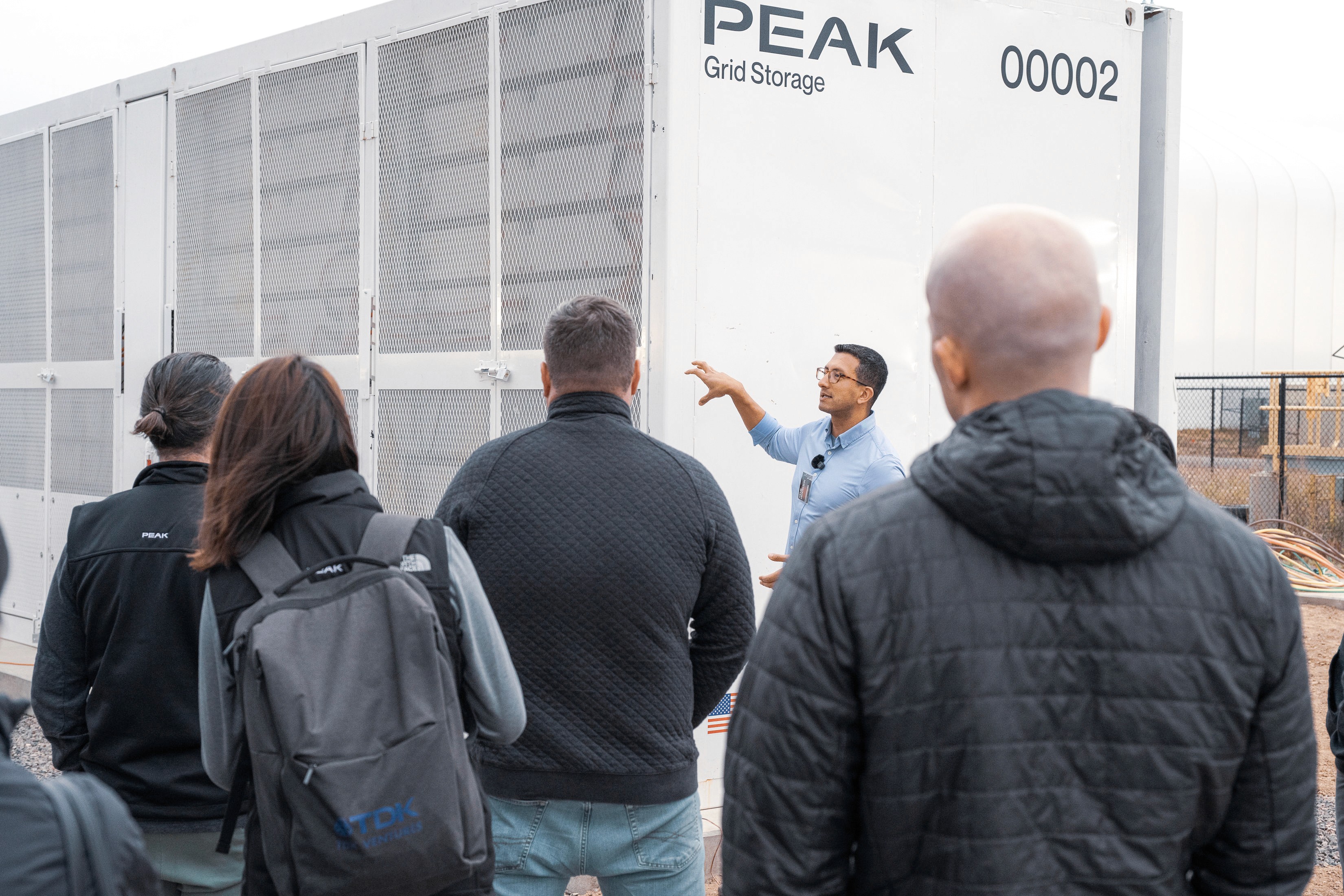
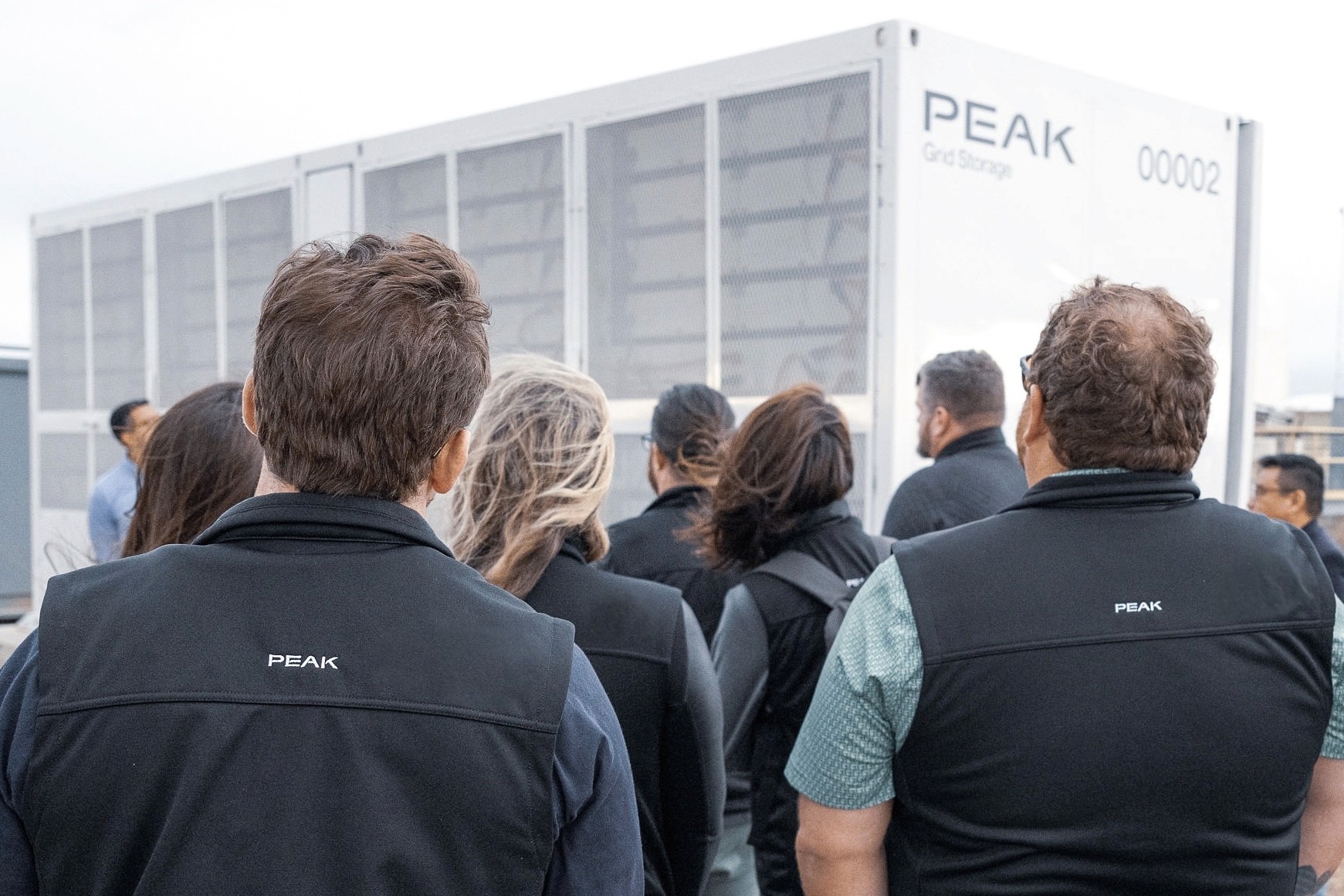
Last week in Denver, Peak hosted 47 of its customers and development partners to celebrate the power on of Peak’s product - the first passively cooled Energy Storage System in the world. With live data, a deep dive into sodium-ion chemistry, and a site visit, Peak gave guests an unfiltered look into the development of the Peak ESS, from cell to site.

Wednesday, July 30, 2025

PR Newswire

Peak Energy Delivers First Grid-Scale, Sodium-Ion Battery Storage System in the U.S.
Denver, CO

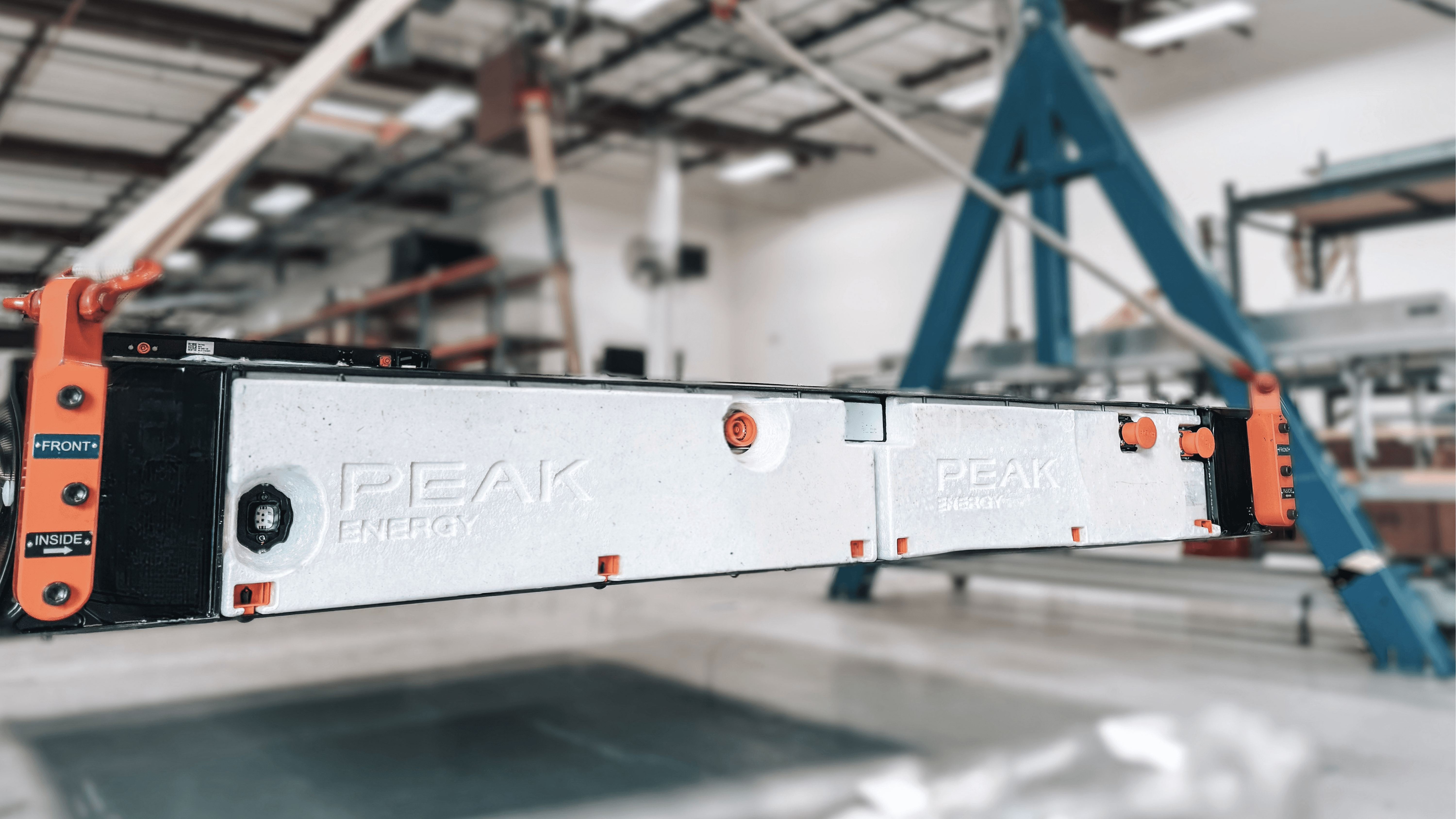
Today, Peak announced the launch and shipment of its sodium-ion battery energy storage system (ESS) that delivers a patent-pending passive cooling design to dramatically reduce lifetime energy costs. Cost-competitive with state of the industry products while offering dramatically lower operating and maintenance costs, Peak Energy's product is the first ever fully passive megawatt-hour scale battery storage system, the largest sodium-ion phosphate pyrophosphate (NFPP) battery system in the world, and the first grid-scale sodium-ion storage solution ever deployed to the U.S. electric grid. Deploying the system in a shared pilot with nine leading utility and independent power producer (IPP) customers this summer, Peak Energy is fast-tracking its promise to onshore battery manufacturing.

Saturday, January 25, 2025

The Information

Peak Energy selected as America's most promising energy start up – The Information
New York, NY

Peak Energy is proud to announce the successful closure of a $55 million funding round aimed at accelerating the development and commercialization of our sodium-ion battery technology. This investment underscores the growing interest in alternative energy storage solutions that can complement or replace traditional lithium-ion batteries, particularly in grid-scale applications.

Abstract composition
Monday, December 16, 2024

PV Magazine USA

Peak Energy Opens Battery Cell Engineering Center
Broomfield, CO

Peak Energy is proud to announce the inauguration of our state-of-the-art Battery Cell Engineering Center located in Broomfield, Colorado. This facility marks a significant milestone in our mission to advance sodium-ion battery technology and establish a robust domestic supply chain for energy storage solutions in the United States.

The Unlikely Ingredient That Could End U.S. Dependence on Chinese Batteries

Friday, December 20, 2024
The Unlikely Ingredient That Could End U.S. Dependence on Chinese Batteries
Christopher Mims
Batteries that use sodium instead of lithium could allow the U.S. and its allies to create a completely new supply chain for the energy storage taking off across the world

The U.S.–China Race for Sodium‑Ion Batteries — and Peak Energy’s Role

The U.S. and China are in a high‑stakes race to commercialize sodium‑ion batteries, a technology that could redefine energy security. Unlike lithium‑ion, sodium‑ion batteries rely on soda ash — a sodium compound abundant in the U.S., where 92% of global reserves are located.

This resource advantage positions the U.S. as the “Saudi Arabia of soda ash.” While China must synthesize soda ash from salt, the U.S. can source it cheaply and in large quantities, providing a strategic opportunity to localize production.


Policy Tailwinds and Industrial Push

Previous attempts to establish U.S. battery manufacturing leadership faltered, but today’s landscape is different:

  • Policy Support: Bipartisan incentives under the Inflation Reduction Act and expected tariffs are aligning capital and political will.

  • Strategic Urgency: Energy storage needs are rising rapidly, while trade tensions with China are intensifying.

  • Domestic Opportunity: Sodium‑ion’s raw materials are abundant in the U.S., creating a pathway to secure domestic manufacturing.


Peak Energy in the Context of U.S. Strategy

Peak Energy is advancing sodium‑ion systems to market quickly, leveraging existing global cell supply while working toward U.S. gigafactory capacity by 2028. By pairing proven system integration with a clear roadmap to domestic production, Peak is aligned with both U.S. energy security priorities and the growing commercial demand for non‑lithium storage solutions.

As policymakers and industry leaders push to reduce China’s dominance in critical battery materials, Peak Energy’s sodium‑ion platform represents a viable, U.S.‑led alternative that capitalizes on the nation’s natural resource advantage.
More articles

Peak Energy Signs 4.75 GWh Contract with Jupiter Power
Burlingame, CA
Energy Day
Denver, CO
Peak Energy Delivers First Grid-Scale, Sodium-Ion Battery Storage System in the U.S.
Denver, CO
Peak Energy selected as America's most promising energy start up – The Information
New York, NY
Abstract composition
Peak Energy Opens Battery Cell Engineering Center
Broomfield, CO

The Unlikely Ingredient That Could End U.S. Dependence on Chinese Batteries

Friday, December 20, 2024
The Unlikely Ingredient That Could End U.S. Dependence on Chinese Batteries
Christopher Mims
Batteries that use sodium instead of lithium could allow the U.S. and its allies to create a completely new supply chain for the energy storage taking off across the world

The U.S.–China Race for Sodium‑Ion Batteries — and Peak Energy’s Role

The U.S. and China are in a high‑stakes race to commercialize sodium‑ion batteries, a technology that could redefine energy security. Unlike lithium‑ion, sodium‑ion batteries rely on soda ash — a sodium compound abundant in the U.S., where 92% of global reserves are located.

This resource advantage positions the U.S. as the “Saudi Arabia of soda ash.” While China must synthesize soda ash from salt, the U.S. can source it cheaply and in large quantities, providing a strategic opportunity to localize production.


Policy Tailwinds and Industrial Push

Previous attempts to establish U.S. battery manufacturing leadership faltered, but today’s landscape is different:

  • Policy Support: Bipartisan incentives under the Inflation Reduction Act and expected tariffs are aligning capital and political will.

  • Strategic Urgency: Energy storage needs are rising rapidly, while trade tensions with China are intensifying.

  • Domestic Opportunity: Sodium‑ion’s raw materials are abundant in the U.S., creating a pathway to secure domestic manufacturing.


Peak Energy in the Context of U.S. Strategy

Peak Energy is advancing sodium‑ion systems to market quickly, leveraging existing global cell supply while working toward U.S. gigafactory capacity by 2028. By pairing proven system integration with a clear roadmap to domestic production, Peak is aligned with both U.S. energy security priorities and the growing commercial demand for non‑lithium storage solutions.

As policymakers and industry leaders push to reduce China’s dominance in critical battery materials, Peak Energy’s sodium‑ion platform represents a viable, U.S.‑led alternative that capitalizes on the nation’s natural resource advantage.
More articles

Peak Energy Signs 4.75 GWh Contract with Jupiter Power
Burlingame, CA
Energy Day
Denver, CO
Peak Energy Delivers First Grid-Scale, Sodium-Ion Battery Storage System in the U.S.
Denver, CO
Peak Energy selected as America's most promising energy start up – The Information
New York, NY
Abstract composition
Peak Energy Opens Battery Cell Engineering Center
Broomfield, CO