Sodium-ion batteries – a viable alternative to lithium?
Saturday, April 6, 2024
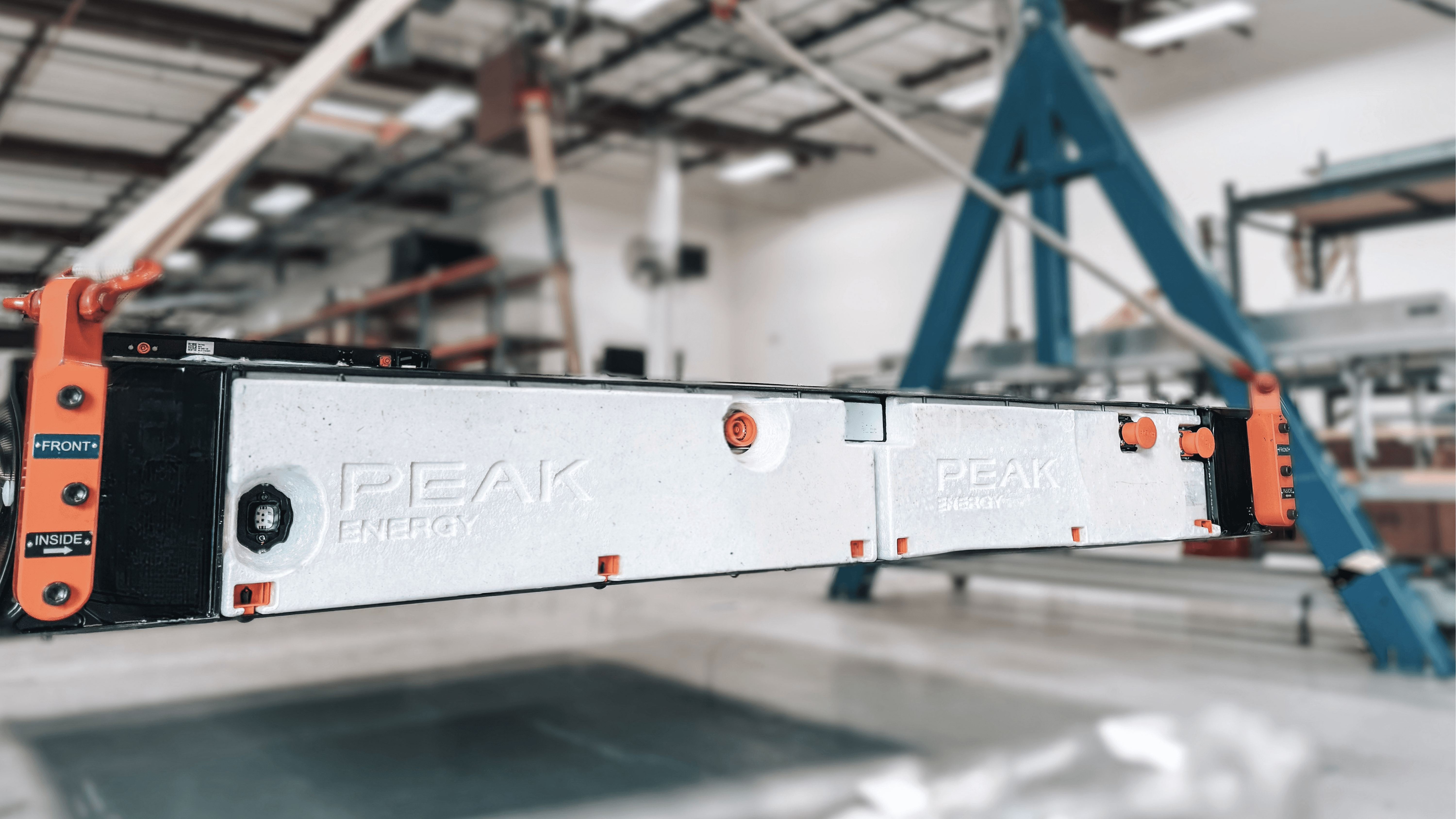
Sodium-ion batteries – a viable alternative to lithium?
Published by
Marija Maisch

While lithium ion battery prices are falling again, interest in sodium ion (Na-ion) energy storage has not waned. With a global ramp-up of cell manufacturing capacity under way, it remains unclear whether this promising technology can tip the scales on supply and demand.

Sodium‑Ion Batteries at a Tipping Point — and Peak Energy’s Role
In its April 2024 “Weekend Read,” pv magazine examined why interest in sodium‑ion batteries remains strong despite lithium‑ion prices stabilizing. The global sodium‑ion cell production pipeline has grown to 335 GWh through 2030, driven by the chemistry’s cost, safety, and sustainability advantages.
Market Drivers
Cost Potential: At scale, sodium‑ion could be 20–30% cheaper than lithium‑iron‑phosphate (LFP) due to abundant sodium, aluminum current collectors, and simplified supply chains.
Safety: Higher electrolyte flashpoints, zero‑volt discharge capability, and better cold‑temperature performance make sodium‑ion well suited for stationary storage and micro‑mobility.
Scalability: Compatibility with existing lithium‑ion production equipment accelerates commercialization.
However, challenges remain: optimizing energy density, securing hard carbon anode supply, and achieving economies of scale.
Peak Energy’s Strategy in Context
pv magazine highlighted Peak Energy’s $10M funding round and market entry strategy:
Fast Market Entry: Deploy systems with proven third‑party sodium‑ion cells, primarily sourced from China initially, to bring product to customers faster.
Domestic Manufacturing Roadmap: Target U.S. production by 2028 to capture Inflation Reduction Act incentives and reduce supply chain risk.
Experienced Leadership: A founding team from Tesla, Northvolt, Enovix, and SunPower positions Peak to execute quickly and scale.
CEO Landon Mossburg emphasized that standing up a domestic sodium‑ion gigafactory requires significant capital (~$1B for sub‑10 GWh scale). By focusing on system integration today, Peak accelerates deployment and builds the commercial track record necessary to justify that investment.
Industry Outlook
pv magazine projects sodium‑ion could comprise 10% of the global battery market by 2030, primarily in stationary storage. While China currently dominates capacity (over 90%), there is strong policy and commercial interest in nearshoring production to North America and Europe — a shift Peak Energy is well‑positioned to support.
More articles

Wednesday, March 11, 2026
PR Newswire
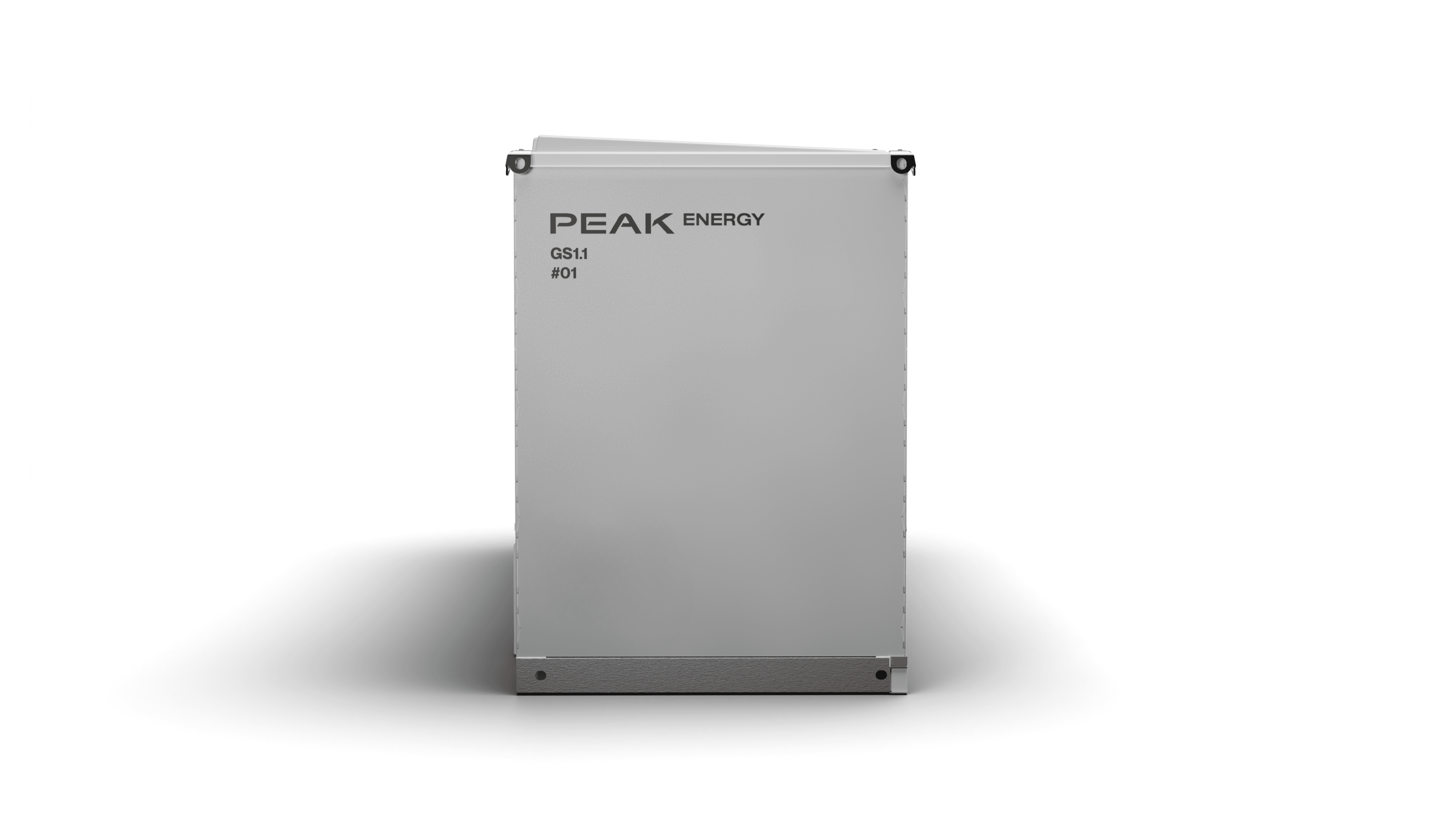
Peak Signs Agreement to Deploy MISO’s First Sodium-Ion Grid Storage Battery
Burlingame, CA
Peak Energy, a U.S.-based company developing low-cost, giga-scale energy storage technology for the grid, today announced an agreement with RWE Americas, a leading global energy company with approximately 13 GW of operating assets in the U.S., to pilot Peak Energy's proprietary passively cooled sodium-ion grid storage battery technology.
Wednesday, November 12, 2025
PR Newswire
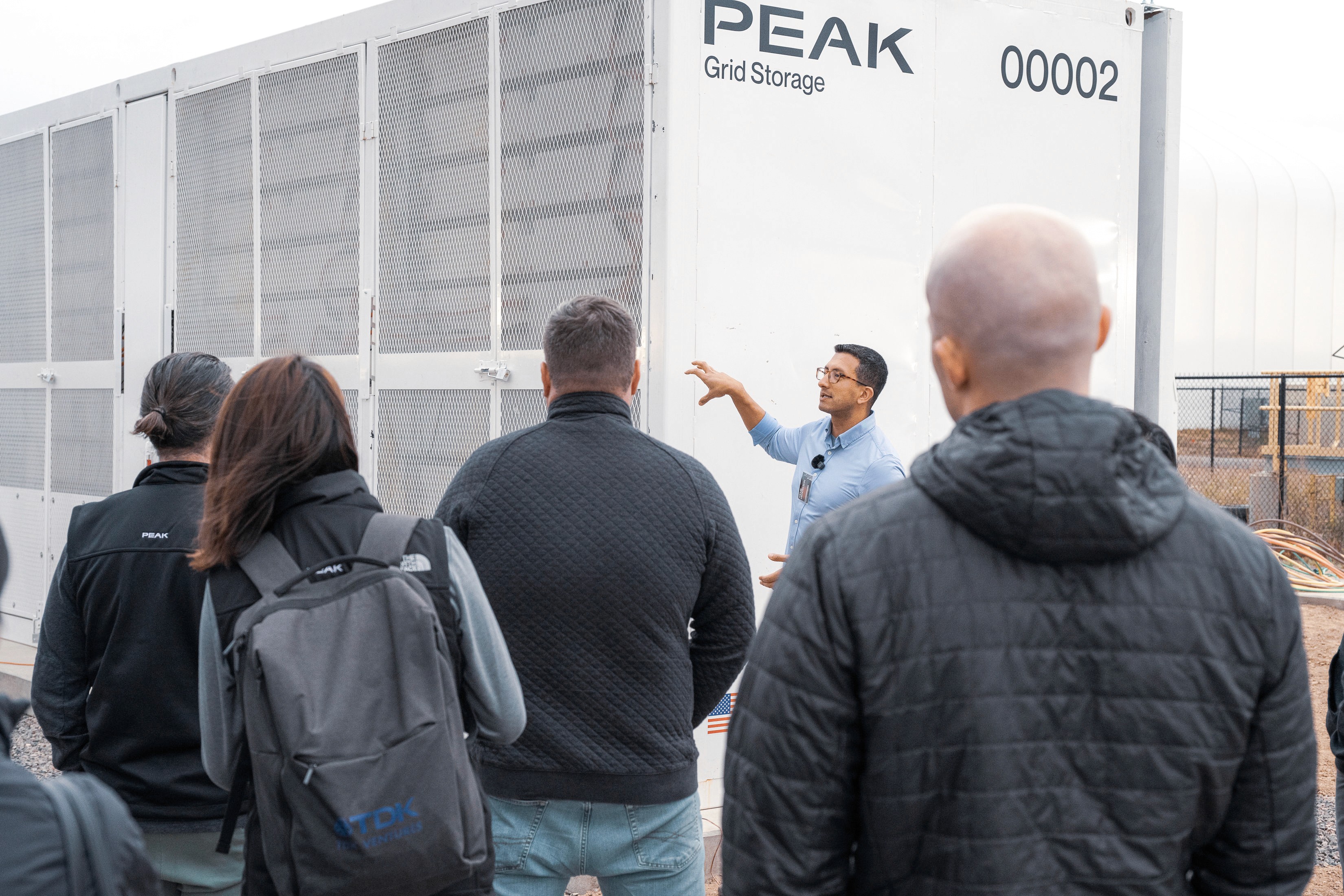
Peak Signs 4.75 GWh Contract with Jupiter Power
Burlingame, CA
Peak Energy, a U.S.-based company developing low-cost, giga- scale energy storage technology for the grid, today announced a multi-year phased agreement with Jupiter Power LLC (“Jupiter Power” or “Jupiter”), a leading developer and operator of utility-scale battery energy storage systems. Under the agreement, Peak Energy will supply up to 4.75GWh of its industry-leading sodium-ion battery energy storage systems (ESS) to Jupiter Power, for deployment between 2027 and 2030.
Monday, October 27, 2025
Peak Energy
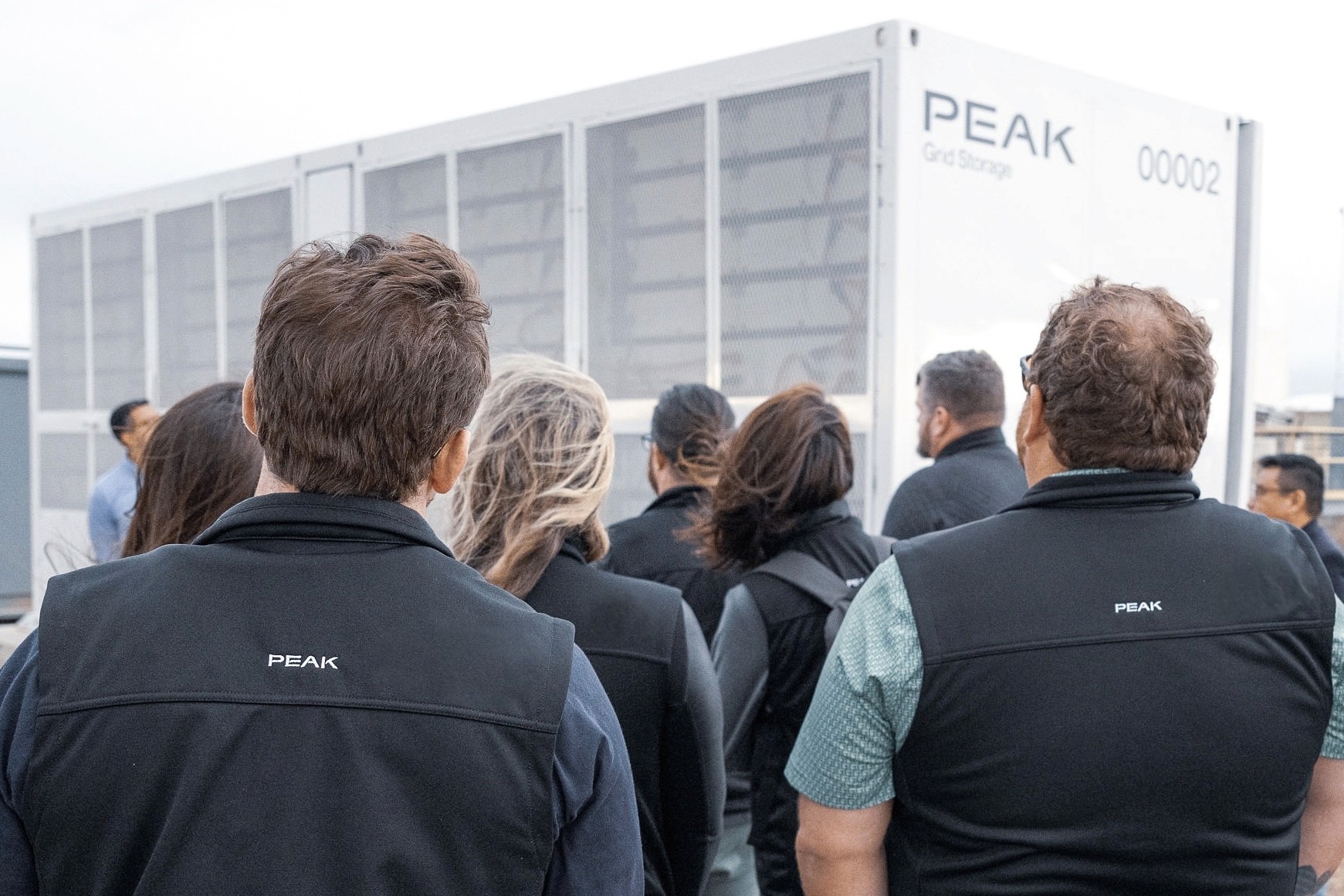
Energy Day
Denver, CO
Last week in Denver, Peak hosted 47 of its customers and development partners to celebrate the power on of Peak’s product - the first passively cooled Energy Storage System in the world. With live data, a deep dive into sodium-ion chemistry, and a site visit, Peak gave guests an unfiltered look into the development of the Peak ESS, from cell to site.

Wednesday, July 30, 2025
PR Newswire
Peak Delivers First Grid-Scale, Sodium-Ion Battery Storage System in the U.S.
Denver, CO
Today, Peak announced the launch and shipment of its sodium-ion battery energy storage system (ESS) that delivers a patent-pending passive cooling design to dramatically reduce lifetime energy costs. Cost-competitive with state of the industry products while offering dramatically lower operating and maintenance costs, Peak Energy's product is the first ever fully passive megawatt-hour scale battery storage system, the largest sodium-ion phosphate pyrophosphate (NFPP) battery system in the world, and the first grid-scale sodium-ion storage solution ever deployed to the U.S. electric grid. Deploying the system in a shared pilot with nine leading utility and independent power producer (IPP) customers this summer, Peak Energy is fast-tracking its promise to onshore battery manufacturing.

Saturday, January 25, 2025
The Information
Peak selected as America's most promising energy start up – The Information
New York, NY
Peak Energy is proud to announce the successful closure of a $55 million funding round aimed at accelerating the development and commercialization of our sodium-ion battery technology. This investment underscores the growing interest in alternative energy storage solutions that can complement or replace traditional lithium-ion batteries, particularly in grid-scale applications.
Sodium-ion batteries – a viable alternative to lithium?
Saturday, April 6, 2024
Sodium-ion batteries – a viable alternative to lithium?
Published by
Marija Maisch
While lithium ion battery prices are falling again, interest in sodium ion (Na-ion) energy storage has not waned. With a global ramp-up of cell manufacturing capacity under way, it remains unclear whether this promising technology can tip the scales on supply and demand.
Sodium‑Ion Batteries at a Tipping Point — and Peak Energy’s Role
In its April 2024 “Weekend Read,” pv magazine examined why interest in sodium‑ion batteries remains strong despite lithium‑ion prices stabilizing. The global sodium‑ion cell production pipeline has grown to 335 GWh through 2030, driven by the chemistry’s cost, safety, and sustainability advantages.
Market Drivers
Cost Potential: At scale, sodium‑ion could be 20–30% cheaper than lithium‑iron‑phosphate (LFP) due to abundant sodium, aluminum current collectors, and simplified supply chains.
Safety: Higher electrolyte flashpoints, zero‑volt discharge capability, and better cold‑temperature performance make sodium‑ion well suited for stationary storage and micro‑mobility.
Scalability: Compatibility with existing lithium‑ion production equipment accelerates commercialization.
However, challenges remain: optimizing energy density, securing hard carbon anode supply, and achieving economies of scale.
Peak Energy’s Strategy in Context
pv magazine highlighted Peak Energy’s $10M funding round and market entry strategy:
Fast Market Entry: Deploy systems with proven third‑party sodium‑ion cells, primarily sourced from China initially, to bring product to customers faster.
Domestic Manufacturing Roadmap: Target U.S. production by 2028 to capture Inflation Reduction Act incentives and reduce supply chain risk.
Experienced Leadership: A founding team from Tesla, Northvolt, Enovix, and SunPower positions Peak to execute quickly and scale.
CEO Landon Mossburg emphasized that standing up a domestic sodium‑ion gigafactory requires significant capital (~$1B for sub‑10 GWh scale). By focusing on system integration today, Peak accelerates deployment and builds the commercial track record necessary to justify that investment.
Industry Outlook
pv magazine projects sodium‑ion could comprise 10% of the global battery market by 2030, primarily in stationary storage. While China currently dominates capacity (over 90%), there is strong policy and commercial interest in nearshoring production to North America and Europe — a shift Peak Energy is well‑positioned to support.
More articles
Peak Signs Agreement to Deploy MISO’s First Sodium-Ion Grid Storage Battery
Burlingame, CA
Peak Signs 4.75 GWh Contract with Jupiter Power
Burlingame, CA
Energy Day
Denver, CO
Peak Delivers First Grid-Scale, Sodium-Ion Battery Storage System in the U.S.
Denver, CO
Peak selected as America's most promising energy start up – The Information
New York, NY
Sodium-ion batteries – a viable alternative to lithium?
Saturday, April 6, 2024
Sodium-ion batteries – a viable alternative to lithium?
Published by
Marija Maisch
While lithium ion battery prices are falling again, interest in sodium ion (Na-ion) energy storage has not waned. With a global ramp-up of cell manufacturing capacity under way, it remains unclear whether this promising technology can tip the scales on supply and demand.
Sodium‑Ion Batteries at a Tipping Point — and Peak Energy’s Role
In its April 2024 “Weekend Read,” pv magazine examined why interest in sodium‑ion batteries remains strong despite lithium‑ion prices stabilizing. The global sodium‑ion cell production pipeline has grown to 335 GWh through 2030, driven by the chemistry’s cost, safety, and sustainability advantages.
Market Drivers
Cost Potential: At scale, sodium‑ion could be 20–30% cheaper than lithium‑iron‑phosphate (LFP) due to abundant sodium, aluminum current collectors, and simplified supply chains.
Safety: Higher electrolyte flashpoints, zero‑volt discharge capability, and better cold‑temperature performance make sodium‑ion well suited for stationary storage and micro‑mobility.
Scalability: Compatibility with existing lithium‑ion production equipment accelerates commercialization.
However, challenges remain: optimizing energy density, securing hard carbon anode supply, and achieving economies of scale.
Peak Energy’s Strategy in Context
pv magazine highlighted Peak Energy’s $10M funding round and market entry strategy:
Fast Market Entry: Deploy systems with proven third‑party sodium‑ion cells, primarily sourced from China initially, to bring product to customers faster.
Domestic Manufacturing Roadmap: Target U.S. production by 2028 to capture Inflation Reduction Act incentives and reduce supply chain risk.
Experienced Leadership: A founding team from Tesla, Northvolt, Enovix, and SunPower positions Peak to execute quickly and scale.
CEO Landon Mossburg emphasized that standing up a domestic sodium‑ion gigafactory requires significant capital (~$1B for sub‑10 GWh scale). By focusing on system integration today, Peak accelerates deployment and builds the commercial track record necessary to justify that investment.
Industry Outlook
pv magazine projects sodium‑ion could comprise 10% of the global battery market by 2030, primarily in stationary storage. While China currently dominates capacity (over 90%), there is strong policy and commercial interest in nearshoring production to North America and Europe — a shift Peak Energy is well‑positioned to support.
More articles
Peak Signs Agreement to Deploy MISO’s First Sodium-Ion Grid Storage Battery
Burlingame, CA
Peak Signs 4.75 GWh Contract with Jupiter Power
Burlingame, CA
Energy Day
Denver, CO
Peak Delivers First Grid-Scale, Sodium-Ion Battery Storage System in the U.S.
Denver, CO